01 / Events
Event security
Doors, wristbands, crowds and closing for concerts, weddings, festivals and company events.
View details
Guide
Good event security is mostly planning. Here’s what to work out before the day arrives.
A wedding with a hundred guests who all know each other is a different job from an open concert where anyone with a ticket can walk in. Before talking about numbers of officers, think about who is coming, how they’ll arrive and how many people will be in the space at the busiest moment.
That picture decides how many officers you need and where they stand. It also tells us whether the main job is welcoming people or managing a line.
The entrance sets the tone for the night: a line that stalls, guests without a ticket, someone trying to slip in through a side door. Officers at entry check guest lists, tickets or wristbands, keep the line moving and make sure side and back doors stay closed to the public.
If there’s a backstage area, a green room or a vendor area, those get their own officer or a clear check at the entrance so only the right people get through.
A bar changes the plan. Lines form, voices get louder as the night goes on, and the last hour is when tempers are most likely to flare. An officer near the bar area keeps things relaxed and steps in early, before a small disagreement turns into something bigger.
Talk with your caterer or venue about when last call happens, so officers can be in place for the slow drift toward the exits.
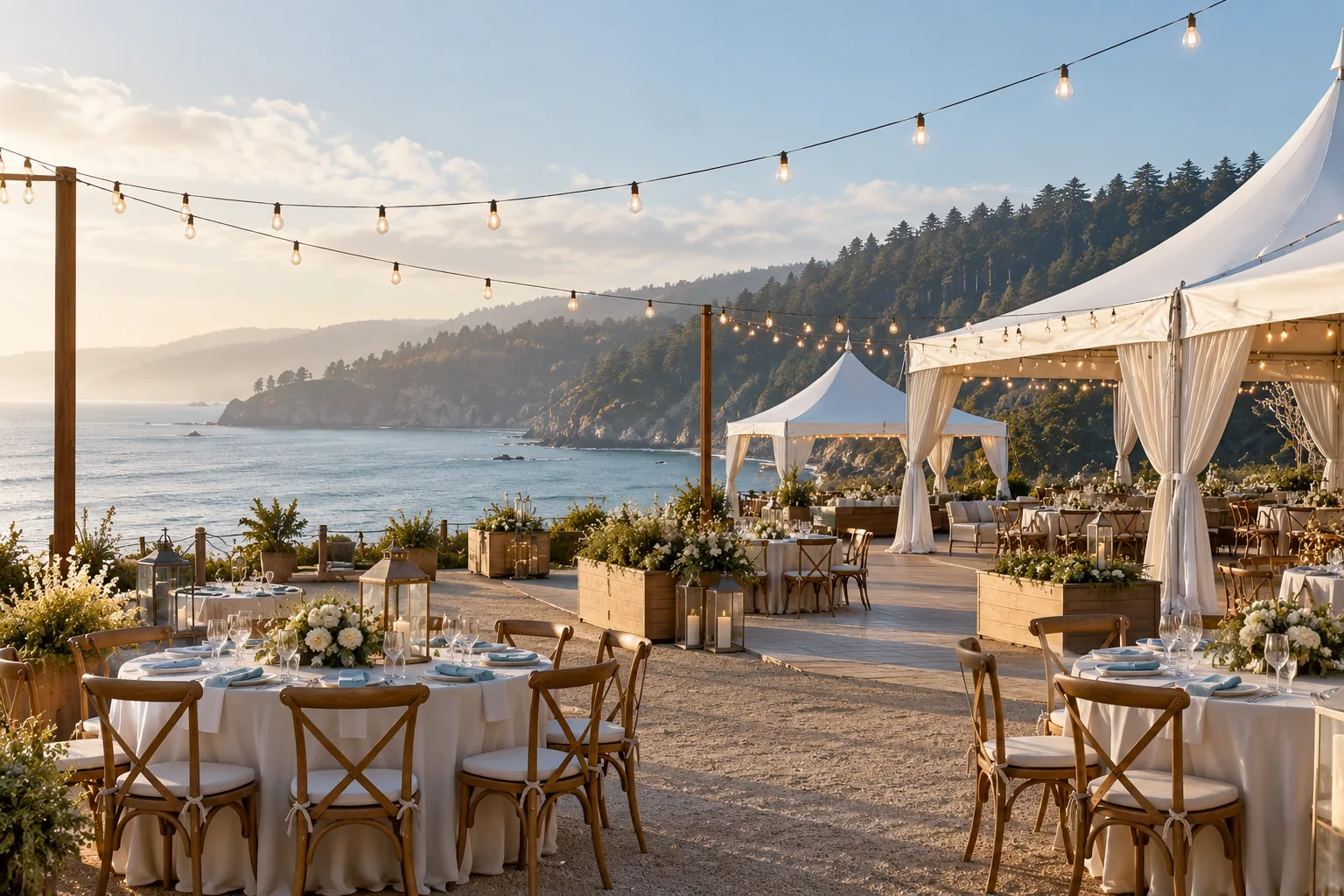
Outdoor events in Santa Cruz often run into fog rolling in, a sudden chill and guests moving toward the tents or the exits at the same time. Plan where people will gather if the weather turns, and make sure the paths to parking are lit.
Beach-area events also pull in passersby. An officer at the edge of the event space keeps uninvited guests from wandering in, without making invited guests feel watched.
The end of the night is when events most often go wrong: people lingering in the lot, a vendor packing up in the dark, equipment left by the stage. Officers stay at their posts until the last guest leaves and your contact calls it done.
For events that run several days, an overnight officer can stay with the stage, tents and gear between days. Afterward you get a short report by email covering anything that happened, where and what the officers did.
Most events need some mix of the same roles, and listing them helps settle the headcount. Not every event needs all of them, and some officers can cover two roles at a smaller event.
Your venue, caterer and rental company all have a part in the plan. Ask the venue which doors must stay closed, the caterer when last call happens and the rental company when they need the loading area. Share those times with us, and officers can be in the right place as each one comes up.
For outdoor events, ask who handles the generator, the tents and any fencing, and where gear will sit overnight if the event runs more than one day. Venues that host regularly often keep a standing plan for all of this.
A few useful answers
As soon as your date is set. Summer weekends in Santa Cruz fill quickly, and early notice leaves time to walk the space together.
We do our best to send officers who already know your event and your venue.
Often, yes. At a smaller gathering one officer can greet guests at the entrance and keep an eye on the bar area, with a second added if the guest list grows.
A short summary by email of anything that happened, where and what the officers did, with photos of anything that needed attention.
Services
01 / Events
Doors, wristbands, crowds and closing for concerts, weddings, festivals and company events.
View details02 / Unarmed
Approachable officers for shops, hotels, offices, clinics, campuses and apartment buildings.
View details