01 / Unarmed
Unarmed security guards
Approachable officers for shops, hotels, offices, clinics, campuses and apartment buildings.
View details
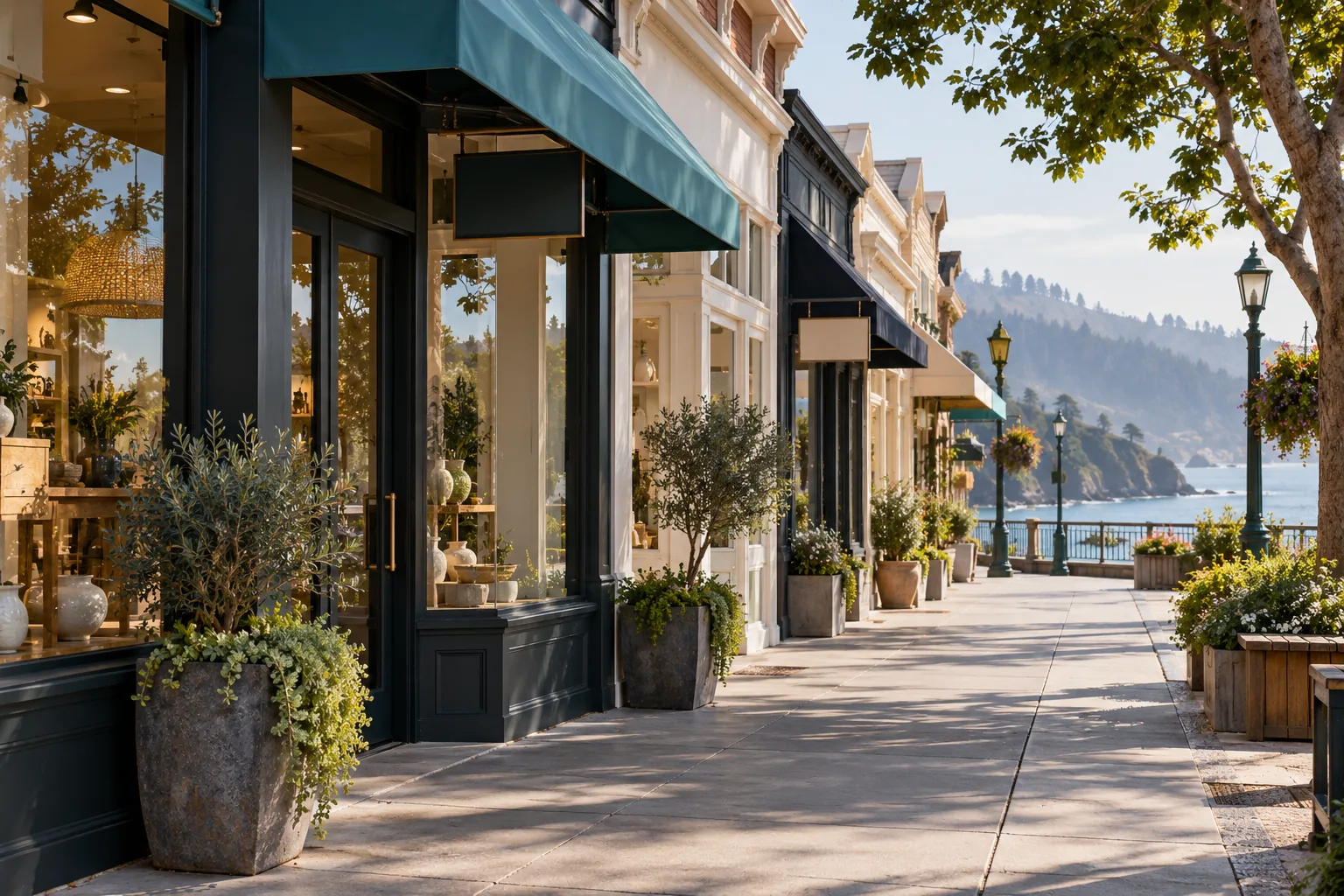
Guide
What independent shops downtown deal with, and the security setups that work for them.
Pacific Avenue draws a steady stream of locals, students and visitors, and most of them are exactly the customers you want. A few aren’t. Shoplifting, people who won’t leave and the occasional heated argument at the counter all happen most often during the busiest hours.
Before deciding on coverage, note when trouble actually happens. A week of jotting down the hour of each incident usually shows a pattern, often a Saturday afternoon or the last hour before close, and that tells you which hours an officer at the door is worth paying for.
Shoppers never see the back of a downtown store, which is exactly why it needs attention. Delivery doors get propped open, trash areas collect people after dark and rear entrances shared by several businesses end up belonging to no one.
An officer who checks the alley on every round notes doors left open, lights that have failed and anything that doesn’t belong. Over a few weeks, the reports show which problems keep coming back and when.
The hour around closing is when staff are most exposed. The till is being counted, the last customers are lingering and employees are about to walk to their cars in the dark, often in the fog during the winter months.
A simple routine helps whether or not you book an officer: lock the front door at the posted time, count the till away from the window and have staff leave together rather than one at a time. If you add a closing officer, build the routine around them.
Once the shop is closed, broken glass and forced back doors are the main risks. Leave a light on inside, move valuable stock out of the window display and leave the empty till drawer open so nobody breaks in for it. Patrol stops at changing times then check the glass and the back door through the night.
If your alarm trips, an officer goes to check it so you don’t have to drive downtown at two in the morning. The report tells you what was found, with photos of any damage.
Shops on the same block often face the same problems, and some share an officer who rotates between storefronts on a set pattern. Each business gets its own entries in the report, so everyone sees what happened at their door.
Summer and the holiday season bring more foot traffic, and with month-to-month agreements a block can add hours for those stretches and drop back afterward.
Services
01 / Unarmed
Approachable officers for shops, hotels, offices, clinics, campuses and apartment buildings.
View details02 / Alarms
When the alarm goes off, an officer goes to check it, so you can stay put.
View detailsSecurity works best when the shop helps. Keep the area behind the counter clear so the officer can see it from the door, keep high-value items away from the entrance and agree on a simple signal staff can use when they want the officer nearby.
At the back, keep the delivery door shut between drops and make sure the alley light works. A working light and a closed door do more than people expect, and the officer notes both on every round.
After a month of coverage, read the reports with your manager. They show which hours brought the most trouble, which days the back door was found open and whether the closing shift lined up with the nights that needed it.
Month-to-month terms make it easy to move hours where the reports point. Many shops end up with a short closing post and patrol stops overnight, with extra hours only for the busy weeks. Retail security in Santa Cruz gives an overview of the options.
A few useful answers
Yes. Neighboring shops often split a post, and each business gets its own entries in the report.
For many small shops downtown, yes. An officer for the last hour and the walk to the cars, plus patrol stops overnight, covers the riskiest times.